
Dust seems to return almost immediately after surfaces are cleaned. Many homeowners wonder why it keeps appearing even when regular tidying is part of their routine.
The answer often lies in how dust forms and spreads throughout a home. Once you understand the patterns behind it, managing buildup becomes much easier.
Why Dust Forms Inside Homes
Dust is not just dirt from outside. It is a combination of tiny particles created and carried through everyday household activity.
Normal movement, fabrics, and airflow constantly introduce new particles into indoor spaces.
Common Sources of Household Dust
Several everyday factors contribute to the dust that appears on surfaces:
- Fabric fibers from clothing, curtains, and upholstery
- Pet dander and loose hair
- Soil and debris tracked in through entryways
- Skin cells naturally shed by people
- Outdoor particles entering through doors and windows
Because these particles are extremely light, they move easily through the air before settling on surfaces.
Airflow and Daily Activity
Air movement inside a home keeps dust circulating. Fans, air vents, and people walking from room to room all disturb settled particles.
As dust lifts and travels, it eventually settles again in new locations throughout the house.
Where Dust Commonly Collects
Dust rarely spreads evenly. Certain areas naturally gather more particles due to airflow patterns and surface materials.
Recognizing these locations helps homeowners know where buildup tends to appear first.
Areas That Attract Dust Quickly
Some spots in the home collect dust faster than others:
- Ceiling fans and light fixtures
- Window sills and blinds
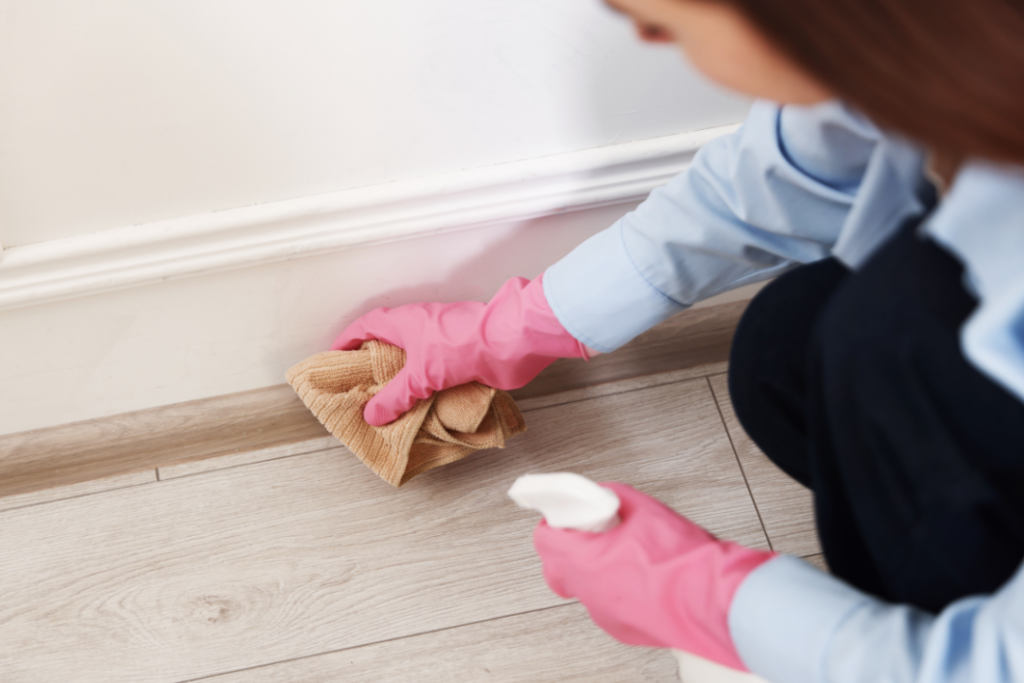
- Baseboards and trim edges
- Bookshelves and decorative surfaces
- Electronics and television stands
These surfaces are exposed to air movement, which makes them natural landing spots for floating particles.
Hidden Areas That Are Easy to Miss
Dust also accumulates in areas that are less visible. Spaces behind furniture, under large items, and along wall edges often gather particles over time.
Many homeowners occasionally schedule a more thorough home reset through services to address buildup in areas that everyday routines may not reach.
Practical Methods That Help Control Dust
Dust cannot be completely eliminated, but it can be managed effectively with the right approach.
Small adjustments in cleaning habits can make a noticeable difference.
Helpful Dust-Reducing Habits
Several simple practices can reduce how quickly dust collects:
- Using damp cloths when wiping surfaces
- Vacuuming rugs and upholstery regularly
- Washing bedding and soft fabrics often
- Keeping entryways clean and organized
- Removing shoes near the door
These habits help capture particles before they spread throughout the home.
Tools That Work Best
Certain cleaning tools are especially effective at trapping fine particles. Microfiber cloths and quality vacuum filters hold onto dust instead of pushing it into the air.
Using the right tools makes regular cleaning more efficient and reduces repeated buildup.
Long-Term Habits That Keep Dust Under Control
Consistent maintenance plays a major role in keeping dust manageable. When homeowners follow simple routines, buildup becomes easier to control.
Small weekly efforts can prevent larger cleaning challenges later.
Weekly Maintenance Routine
A few regular tasks help maintain cleaner surfaces:
- Wiping high-use surfaces
- Vacuuming floors and rugs
- Dusting shelves and furniture
- Checking entry areas for tracked debris
These small habits reduce the amount of dust circulating indoors.
Improving Indoor Comfort Over Time
Homes that maintain consistent dust control often feel fresher and more comfortable. Cleaner air and surfaces make living spaces easier to maintain and more enjoyable.
Over time, these habits contribute to a healthier indoor environment.
Frequently Asked Questions
Why does dust appear so quickly after cleaning?
Dust forms continuously from indoor materials and airborne particles, so it naturally settles again after surfaces are cleaned.
Is household dust harmful?
In small amounts dust is usually harmless, but heavy buildup can contribute to allergy irritation and reduced comfort indoors.
Do air vents spread dust around the house?
Air systems can move dust particles between rooms, especially if vents or filters are not maintained regularly.
Why does dust collect on higher surfaces?
Air currents often carry particles upward where they settle on fans, shelves, and ledges.
Does vacuuming remove all dust?
Vacuuming removes much of it, but dust can still settle on furniture, fabrics, and other surfaces afterward.
How often should surfaces be dusted?
Most homes benefit from light dusting once a week, with deeper attention given to hidden areas occasionally.
Are microfiber cloths better for dusting?
Yes. Microfiber materials trap dust particles rather than spreading them across surfaces.
What rooms usually collect the most dust?
Bedrooms and living areas often collect more dust because they contain fabrics such as bedding, carpets, and upholstery.
Conclusion
Dust is a natural part of indoor living, but understanding how it forms and where it settles helps homeowners manage it more effectively. With consistent routines and attention to common buildup areas, homes can stay comfortable and easier to maintain. Homeowners interested in learning more about maintaining a well-kept living space can explore additional resources from Vantage Point Cleaning.
Popup Quote Form
